Using Tarot Cards to Create Unforgettable Characters
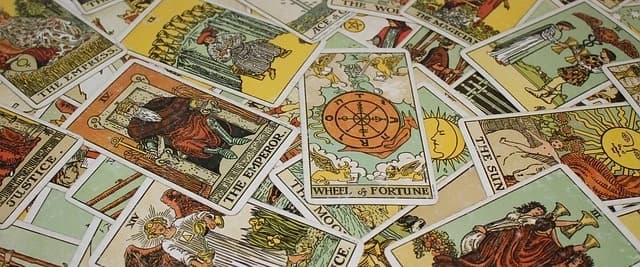
What if the cards could tell you who your characters really are?
I've been reading tarot cards for about ten years now. I wrote a whole book about it, actually. But somewhere along the way, I discovered something unexpected: tarot is one of the most powerful character development tools I've ever used. Not for predicting the future or communing with spirits, but for asking questions about fictional people who don't exist yet.
It may sound strange at first, I know. Shuffling cards to figure out why your protagonist is afraid of commitment. Drawing the Tower to understand what shattered your antagonist's worldview. But trust me on this one. Once you try it, you might never create characters the same way again. The whole thing is like Story Engine Deck but for characters.
The Problem with Character Sheets
I believe that every writer has been there at one point or another. You sit down to create a new character. You open a template with fields for name, age, appearance, backstory, goals, fears, flaws. You start filling it out methodically, and somewhere around "favorite food," you realize you're just going through the motions. Or worse still, just creating the same character over and over again without even noticing it.
The character feels flat. Constructed. Like a list of traits rather than a person.
That's because conscious character creation tends to follow patterns. We reach for familiar archetypes. We give characters flaws that are actually strengths in disguise ("She cares too much!"). We create backstories that explain rather than complicate. Everything fits together too neatly, and neatness is the enemy of interesting characters.
Real people are contradictory. They have wounds they don't understand and desires they can't articulate. They make choices that don't make sense on paper, but feel inevitable in the moment. Real people are messy, and our characters should be too.
That's where tarot comes in.
Why Tarot Works for Character Development
Tarot is, at its core, a system of archetypes and symbols. The 78 cards represent universal human experiences: love and loss, ambition and fear, transformation and stagnation. Each card is a mirror that reflects something different depending on who's looking. Essentially, it is a tool for self-exploration. In the case of a tarot reader, the self can be the reader themselves or their client. For a writer, it can be their character.
When you draw cards for a character, you're not predicting anything. You're using random selection to bypass your conscious patterns and access deeper, more interesting possibilities. The cards suggest connections you wouldn't have made deliberately. They force you to ask questions you wouldn't have thought to ask.
The randomness is the point. It's the same reason I use dice and oracle tables in my solo RPG sessions. When you can't predict what's coming, you have to be creative with what arrives.
But tarot offers something dice can't: layered meaning. A single card can represent a personality trait, a past wound, a hidden desire, and a potential future all at once. The Empress isn't just "nurturing"; she's creativity and abundance and sensuality and control and suffocation, depending on context. That complexity translates directly into character depth.
However, the real fun begins when you draw three cards and try to combine them into a single meaning. For example, drawing the Tower, the Six of Cups, and the Knight of Wands might suggest a character whose childhood home was destroyed in some catastrophe, leaving them restless and impulsive, always chasing the next adventure because standing still means remembering. Each card adds a layer, and the contradictions between them create tension, the very stuff that makes characters feel real.
My Character Creation Spread
Over the years, I have done quite a lot of experimentation. What I'm using at the moment is a seven-card spread specifically for character creation. It's not by any means the only way to do this, but it's the approach that works best for me. When building tools for yourself, always work with things that are best for you, no matter what others say.
Before you begin, choose your deck carefully. The imagery matters more than you might think. A Rider-Waite-Smith deck with its detailed scenes gives you concrete visual details to work with. A more abstract or minimalist deck forces you to rely more on traditional card meanings and your own intuition. Neither approach is wrong. I keep several decks and reach for different ones depending on the project. A dark, atmospheric deck suits grimdark fantasy characters. Something brighter and more whimsical works better for cozy stories. The deck becomes a collaborator, so pick one whose aesthetic matches the story you're trying to tell.
To begin, shuffle your deck while thinking about the character you want to create. You don't need a clear picture yet, and it's in fact better if you don't. Let the cards do the work. When the deck feels ready, draw seven cards and lay them out in a row. Resist the urge to interpret them immediately. Just look at them. Notice which cards your eye returns to, which combinations feel charged. Then work through the positions one by one.
Card 1: The Mask - Who does this character present to the world? This is their public persona, the version of themselves they've carefully constructed. It might be genuine or completely false. The gap between this card and later cards often reveals the most interesting tensions.
Card 2: The Shadow - What do they hide, even from themselves? This is the repressed material, the uncomfortable truths they don't want to face. Jung would call it the shadow self, but you might as well call it the source of your best character moments.
Card 3: The Wound - What broke them? Every interesting character carries damage from their past. This card points to the formative trauma, the loss or betrayal or failure that shaped who they became. It doesn't have to be dramatic. Sometimes the quietest wounds cut deepest.
Card 4: The Desire - What do they truly want? Not what they say they want, not what they think they should want, but what they ache for in their secret heart. This is often in direct conflict with their wound or their mask.
Card 5: The Fear - What terrifies them? What would they do anything to avoid? This card often connects to the wound. We fear what has hurt us before.
Card 6: The Gift - What unique strength do they bring? This isn't just a skill or ability. It's the quality that makes them irreplaceable in the story. Sometimes it's the flip side of their greatest flaw.
Card 7: The Path - Where are they headed? This card suggests their arc, the transformation waiting for them if they can face their shadow and heal their wound. It's not a guarantee, just a possibility.
A Reading in Practice
Let me show you how this actually works. I'll create a character right now, drawing cards as I write.
I shuffle my deck, thinking about a secondary character for my current novel. Someone who starts as an obstacle but might become an ally. I draw seven cards and lay them out.
For the Mask I drew The Emperor. This character presents as someone in charge, someone who has everything figured out. They project the Emperor's authority and demand the Emperor's respect. Probably someone in a position of actual power, or someone desperately pretending to be. Either way, they've built rigid structures around themselves and expect others to operate within them.
The Shadow card gave me The Moon. Beneath that controlled exterior, they're drowning in the Moon's uncertainty. They don't trust their own perceptions. Reality feels slippery to them, illusions and fears bubbling up from their unconscious, and they've learned to hide that confusion behind the Emperor's rigid structures.
Already I'm seeing interesting contradictions. The Emperor demands clarity and order; the Moon dissolves both. A leader who secretly doubts everything, who builds walls because the ground beneath them feels like quicksand. That tension will drive their behavior in every scene.
The Three of Swords appeared in the Wound position. Someone they trusted completely drove those three blades straight through their heart. A mentor, perhaps. Or a parent. The betrayal was so profound, the truth so painful, that they decided never to be vulnerable again. Now the earlier cards deepen: the Emperor mask isn't just about power, it's armor against further heartbreak. And the Moon shadow makes sense too. When someone you trusted lied to you so completely, how can you ever trust your own perceptions again?
For Desire I turned over the Two of Cups. Despite everything, despite the walls they've built, they desperately want what this card promises: genuine partnership, two people seeing each other fully, cups raised in mutual recognition. They want someone who sees past the Emperor facade to the frightened person underneath. But look at the contradiction: the very connection they desire is what their wound has made impossible to accept. They'll push away exactly what they need. That's not something I planned. The cards revealed it.
The Fear position holds The Tower. They're terrified of that lightning bolt, of everything falling apart in a single catastrophic moment. Of being exposed. Of losing the control they've fought so hard to maintain. This card connects to nearly everything that came before. The Emperor builds towers; this character is terrified of theirs collapsing. The Moon already whispers that the foundation is unstable. The Three of Swords was their first Tower moment, and they've spent their life making sure it never happens again. Their fear is both irrational and completely justified.
In the Gift position I found The Hierophant. They have genuine wisdom to share, traditions and knowledge passed down through generations. They could be an incredible mentor, a bridge between the sacred and the everyday, if they weren't so afraid of the connection that teaching requires. Notice how this creates story potential: the protagonist needs what this character can offer, but getting it requires breaking through all those defenses. The gift is locked behind the wound.
Finally, The Star appeared as their Path. If they can face their shadow, heal their wound, and risk genuine connection, they'll find the Star's quiet peace. Water poured out freely, nothing held back, hope renewed under an open sky. They'll become the teacher they were meant to be. The Star comes after the Tower in the major arcana, and there's a message in that sequence. This character needs to let their walls fall before they can heal. Their greatest fear is the door to their salvation.
So who is this person? I see a magistrate or guild leader, someone who clawed their way into a position of authority after a devastating betrayal in their youth. Perhaps a mentor who stole their work and cast them out. Now they rule their domain with rigid precision, every regulation a brick in the wall around their heart. Subordinates respect them but don't approach. They eat alone. They tell themselves they prefer it that way. But when the protagonist arrives needing guidance, something cracks. Here is someone who reminds them of who they used to be, before the betrayal. The magistrate wants to help and is terrified of wanting it. They'll be obstructive at first, hiding behind rules and procedures, but every interaction will cost them something. Their arc is learning that some towers need to fall.
In five minutes, I have a complex character with internal conflicts, a clear arc, and hooks into the larger story. I didn't plan any of this. The cards suggested it, and my interpretation wove it together. Each new card recontextualized the ones before it, building meaning through accumulation rather than isolation.
Tips for Tarot Character Work
Don't take the first meaning. Each card has layers. If your initial interpretation feels obvious, dig deeper. What else could this card mean in this context? The unexpected interpretations often yield the richest material.
Embrace contradictions. If two cards seem to conflict, lean into that tension. Real people are contradictory. A character who is both generous and jealous, both brave and afraid, is more interesting than one who is consistently anything.
Let the cards surprise you. The whole point of this exercise is to bypass your conscious patterns. If you find yourself rejecting cards because they don't fit your preconceptions, you're missing the opportunity. Let the cards change your mind about who this character is.
Revisit spreads mid-story. Characters evolve. Drawing new cards at different points in your story can reveal how they've changed, what new shadows have emerged, what old wounds have healed.
You don't need to use every card. Sometimes a spread gives you one brilliant insight and six cards that don't resonate. That's fine. Take what works and leave the rest.
Beyond Individual Characters
Once you're comfortable with character spreads, you can expand the technique in countless directions.
Draw cards for relationships between characters. What does Character A see in Character B? What do they miss? What secret connects them? I sometimes do a six-card spread for important relationships: what each character shows the other, what each character hides from the other, and what binds them together whether they know it or not. The results often reveal dynamics I hadn't consciously planned. Two characters I thought were straightforward allies turned out to have a buried resentment between them, suggested by the Five of Swords appearing in what they hide. That tension made every scene between them crackle with subtext.
Draw cards for your story's themes. What is this book really about? What transformation is it asking of the reader? I once drew The Hanged Man for a novel I was struggling with, and suddenly understood that my protagonist needed to stop fighting and surrender. The entire plot restructured itself around that insight. The cards can help you find the emotional core you've been circling around, the thing you're actually trying to say beneath the surface plot.
Draw cards when you're stuck. What does this scene need that you're not seeing? What would make this conflict more interesting? What is this character not telling me? Sometimes a random card provides the perspective shift that breaks the logjam. I keep my deck on my desk for exactly this purpose. When a scene feels flat, I draw a single card and ask it what I'm missing. The Queen of Pentacles once told me a scene needed grounding in physical reality, in the smell of food and the texture of fabric. The scene had been too abstract, too much in the characters' heads. Adding sensory detail transformed it.
You can even draw cards for plot problems. What happens next? What's the worst thing that could happen here? What does the antagonist do while the protagonist isn't looking? The cards won't give you literal answers, but they'll give you seeds. The Ten of Wands suggests burden, exhaustion, carrying too much. Maybe your protagonist takes on a responsibility they shouldn't. Maybe they discover their mentor has been shouldering an impossible weight alone. The interpretation is yours. The prompt is the card's gift.
The Bottom Line
I've created dozens of characters using tarot spreads now, and they're consistently more interesting than the ones I create through pure conscious deliberation. They have more contradictions, more depth, more surprise. They feel less like constructs and more like discoveries. My conscious mind tends toward coherence, toward characters who make easy sense. The cards push me toward complexity, toward people whose wounds and desires don't align neatly, whose masks hide shadows they'd rather not face.
The cards don't tell you who your characters are. They ask you questions you wouldn't have thought to ask. And in answering those questions, you find characters you couldn't have planned.
If you already have a tarot deck, try it. Shuffle, draw seven cards, and see who emerges. If you don't have a deck, you can use any of the free online tarot sites that offer random draws, or even a simple playing card deck with some adapted meanings. The specific cards matter less than the practice of allowing randomness into your creative process, of letting something outside your conscious control participate in creation.
Sometimes the best characters are the ones you didn't plan. Sometimes the cards know something you don't.
Or maybe they just know how to help you surprise yourself.
Do you use any unconventional tools in your creative process? I'd love to hear about what works for you. Find me on Instagram and share your experiments!